US GDP Growth Accelerates to 2.4% in 2026: Key Investment Strategies for Investors
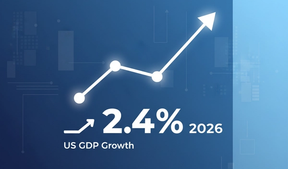
The forecast for US GDP growth shows a promising acceleration to 2.4% by 2026, with consumer spending stabilizing at 2.4% and business investment gaining strength. Investors should focus on technology, mining, and travel sectors while diversifying portfolios to navigate this investment-led growth.
By Tomer Dadon on February 6, 2026
US GDP Growth Acceleration to 2.4% in 2026: Investment Strategies
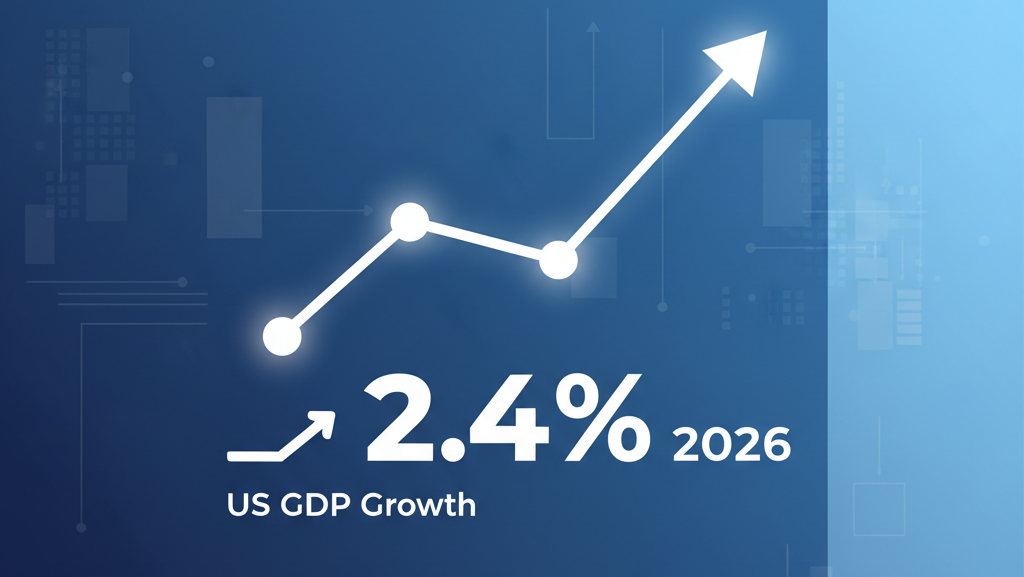
The forecast for US GDP growth shows a promising acceleration to 2.4% by 2026. As we move through 2025, consumer spending is projected to moderate slightly, but overall business investment is expected to gain strength. For investors, understanding how to navigate this evolving economic landscape is crucial.
Key Takeaways
- US GDP growth is projected to accelerate to 2.4% in 2026.
- Consumer spending growth stabilizes at 2.4%, down from 2.7% in 2025.
- Investment activity is anticipated to rise significantly, driven by government support and corporate spending.
- Sectors like technology and mining are poised for substantial growth.
- Investors may consider focusing on sectors that benefit from increased business travel and commercial activity.
- Diversification remains key to mitigating risks during this economic transition.
- Portfolio adjustments may be necessary as market dynamics shift towards investment-led growth.
The Economic Landscape
The economic environment leading up to 2026 presents a mixed bag of challenges and opportunities. The resilience of consumer spending, although slightly tempered, reflects a robust underlying economy. While growth in consumer expenditure is projected at 2.4%, it's essential to recognize that this is a moderation from the previous year’s 2.7%.
On the flip side, investment is expected to pick up steam. Greater government support, despite existing fiscal pressures, could bolster business activities across various sectors. This support comes in the form of incentives and infrastructure spending aimed at stimulating growth. As William Greiner, Chief Economist at Mariner Wealth Advisors, notes, “Government initiatives can serve as a catalyst for business confidence, ultimately driving investment.”
Investment Opportunities
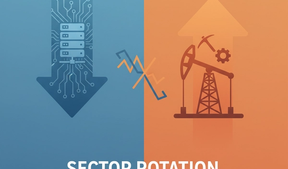
With the shift towards an investment-driven growth model, certain sectors will shine brighter than others. The technology sector, for instance, is set for a renaissance. As businesses increasingly invest in digital transformation and automation, those companies at the forefront of innovation will likely thrive.
Mining and natural resources also stand to benefit from heightened investment. As global demand for raw materials escalates, driven by industrial growth and a push for sustainable solutions, investors would do well to consider exposure to companies in these fields.
Moreover, the recovery of business travel is another compelling angle. As companies resume cross-border operations, sectors tied to travel and logistics are poised for recovery. This aligns with the broader trend of increasing commercial activity that will likely accompany GDP growth.
Strategic Adjustments
To fully capitalize on the anticipated growth, savvy investors should consider strategic adjustments to their portfolios. Diversification remains paramount, particularly in a transitioning economic climate. By spreading investments across various sectors, investors can mitigate the risks associated with potential downturns in specific industries.
For those looking to invest directly in sectors poised for growth, exchange-traded funds (ETFs) focused on technology or natural resources could provide a balanced approach. Additionally, actively managed mutual funds with a strong track record in growth sectors might offer better returns as the market evolves.
Investors should also keep an eye on government policies. Changes in fiscal policy can have immediate effects on market dynamics. Staying informed about legislative actions that support business investment will be crucial for making timely investment decisions.
Conclusion
As we look ahead to 2026, the expected acceleration of US GDP growth to 2.4% presents both challenges and opportunities. While consumer spending may moderate, the anticipated surge in business investment can pave the way for robust economic health. Investors who adapt to this landscape—by focusing on sectors benefiting from increased spending and diversifying their portfolios—will be well-positioned to thrive in this evolving environment.
In a world where economic indicators shift rapidly, remaining agile and informed is key. Keep a close watch on market trends, government policies, and sector performance to seize the opportunities that lie ahead. The next few years could prove to be a fruitful time for those ready to invest wisely.